
Mentoring by Design
Ownership and Agency

Agency is more complex and there are many definitions. One that relates to Akamai’s understanding of the concept is the following depiction of agency
…students’ capacity to act in ways that exhibit their own choices in their learning, informed by their beliefs and careful consideration, self-regulation, and self-reflection about their ability to control and take ownership of their own learning

Designing a project with more ownership
Providing interns with opportunities for figuring out one’s own path to solving a problem is a key ingredient for creating an experience in which the intern feels ownership and agency. One way for a mentor to provide opportunities for ownership and agency is to be strategic in when to be directive and when to let the intern grapple and make mistakes. Also, after deciding upon a focal STEM practice, the mentor can plan out ways to make sure that the intern has ownership over using the practice. For example, if the STEM practice is “prototyping,” the mentor can make sure to let the intern have a lot of freedom to make choices around this aspect of the project, while monitoring and nudging if needed.
Interactions that support ownership and agency
The collective effects of many small interactions between a mentor and intern can also have a significant impact on ownership and agency. Findings from a study on the Center for Adaptive Optics Internship provided evidence that the on-the-fly interactions between the intern and mentor have a significant impact on ownership (Ball 2009), such as:
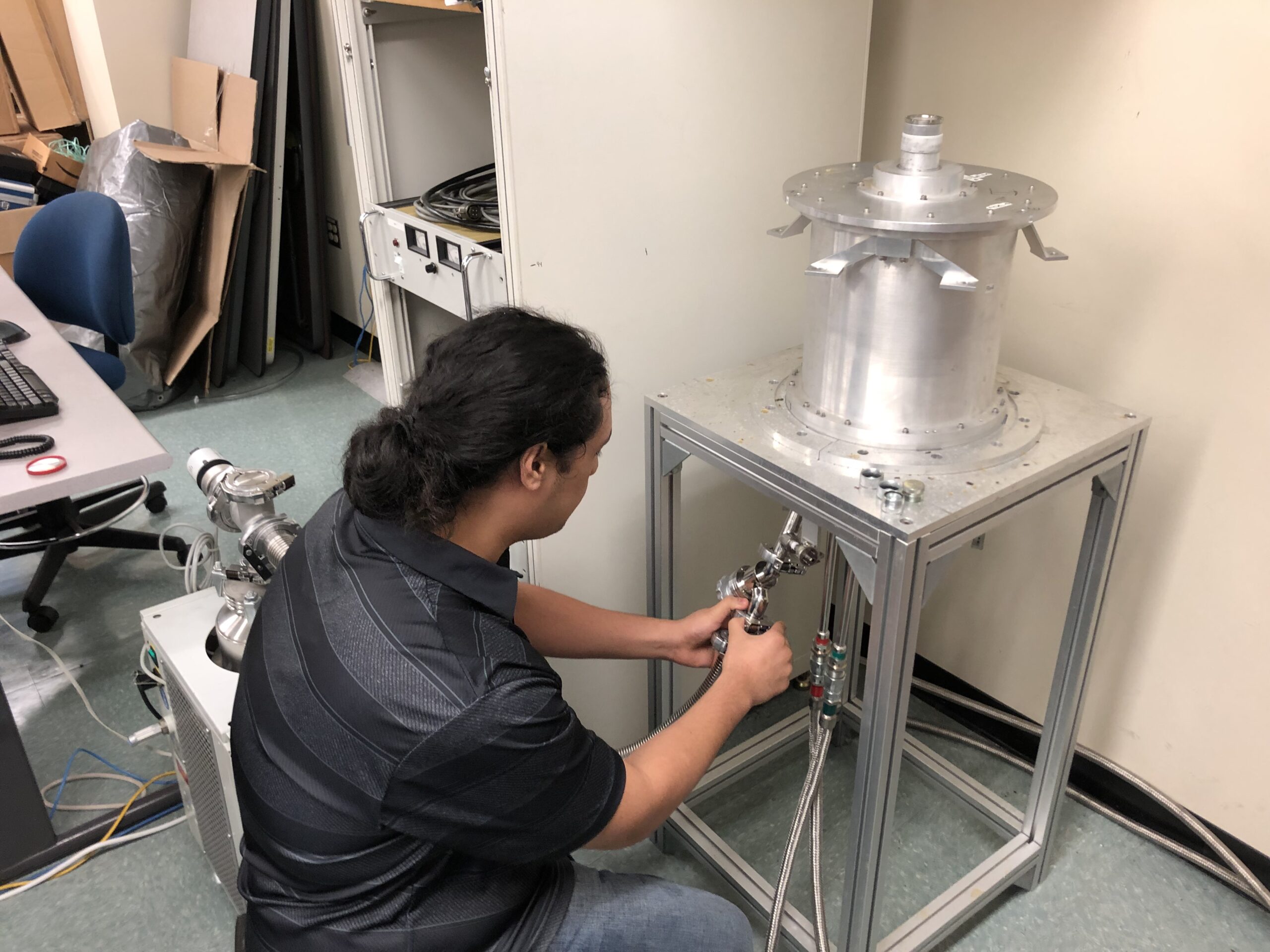
Not all hands-on is alike
Merely being hands-on did not change interns’ initiative. When interns were hands-on and initiating or directing the problem-solving process (had “agency”) they explained more about what they were doing and took more initiative (as compared to hands-on and following directions).
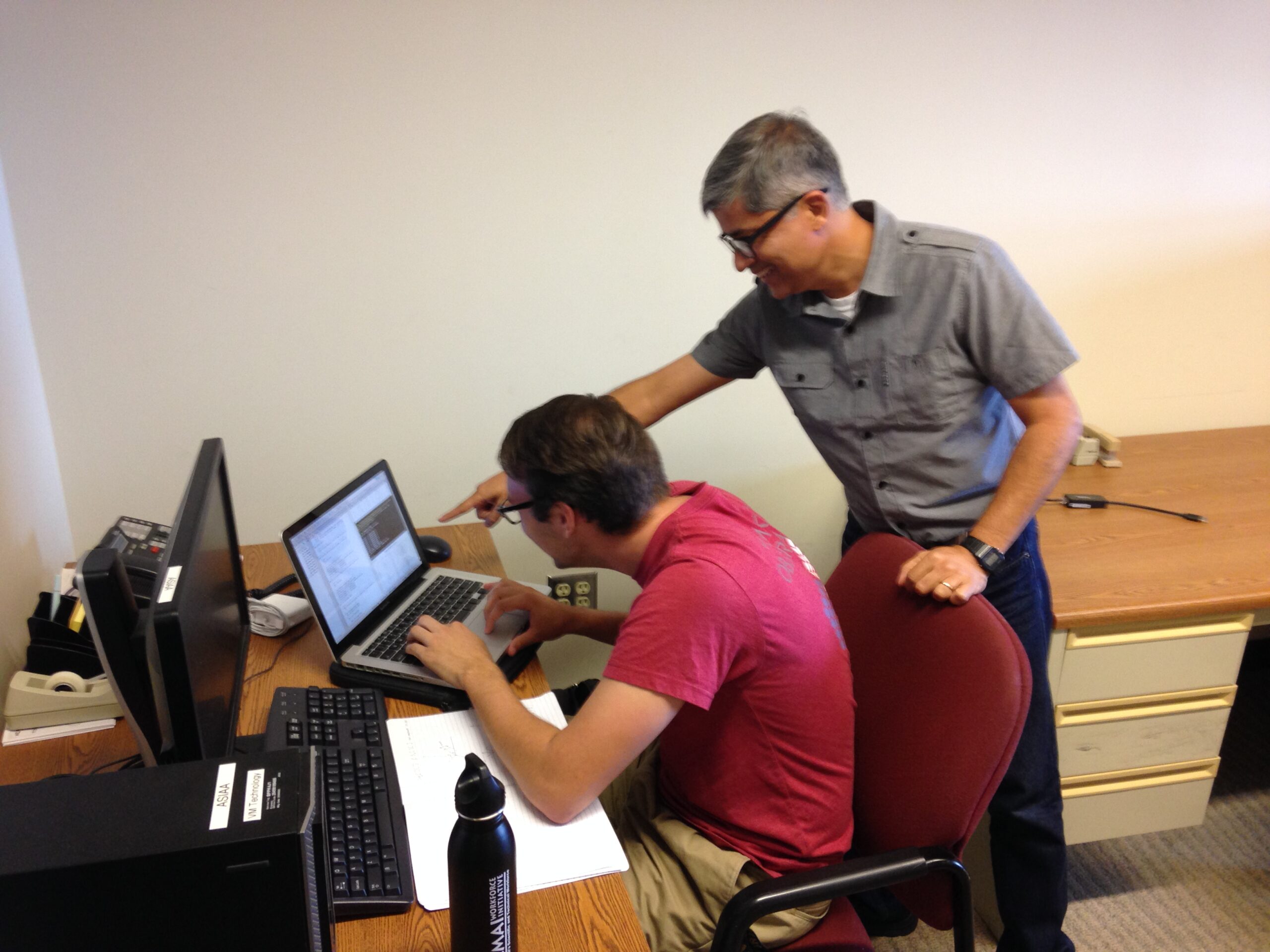
Collaboration versus direction
When instructors or mentors engaged in dialogue that was more collaborative and encouraged debate and discussion, rather than the more authoritative or declarative interactions (as is more common), the intern’s role changed in a way that demonstrated more ownership and self-initiative.
References
Moses, L., Rylak, D., Reader, T., Hertz, C., & Ogden, M. (2020). Educators’ perspectives on supporting student agency. Theory into practice, 59(2), 213-222.
Ball, T. B. (2009). Explaining as Participation: A multi-level analysis of learning environments designed to support scientific argumentation. University of California, Santa Cruz.

Leaders and Funding
This website is based on the work for the Akamai Workforce Initiative led by the Institute for Scientist & Engineer Educators at University of California, Santa Cruz.
Development of this website was funded by the Gordon and Betty Moore Foundation, the National Science Foundation (AST#1743117 & AST#2034962), and the Hawaii Community Foundation.
Address
Institute for Scientist & Engineer Educators
Mailstop: UCO/Lick Obs ISEE
1156 High Street
Santa Cruz, CA 95064
Email: isee@ucsc.edu