
Mentoring by Design
Sense of Belonging
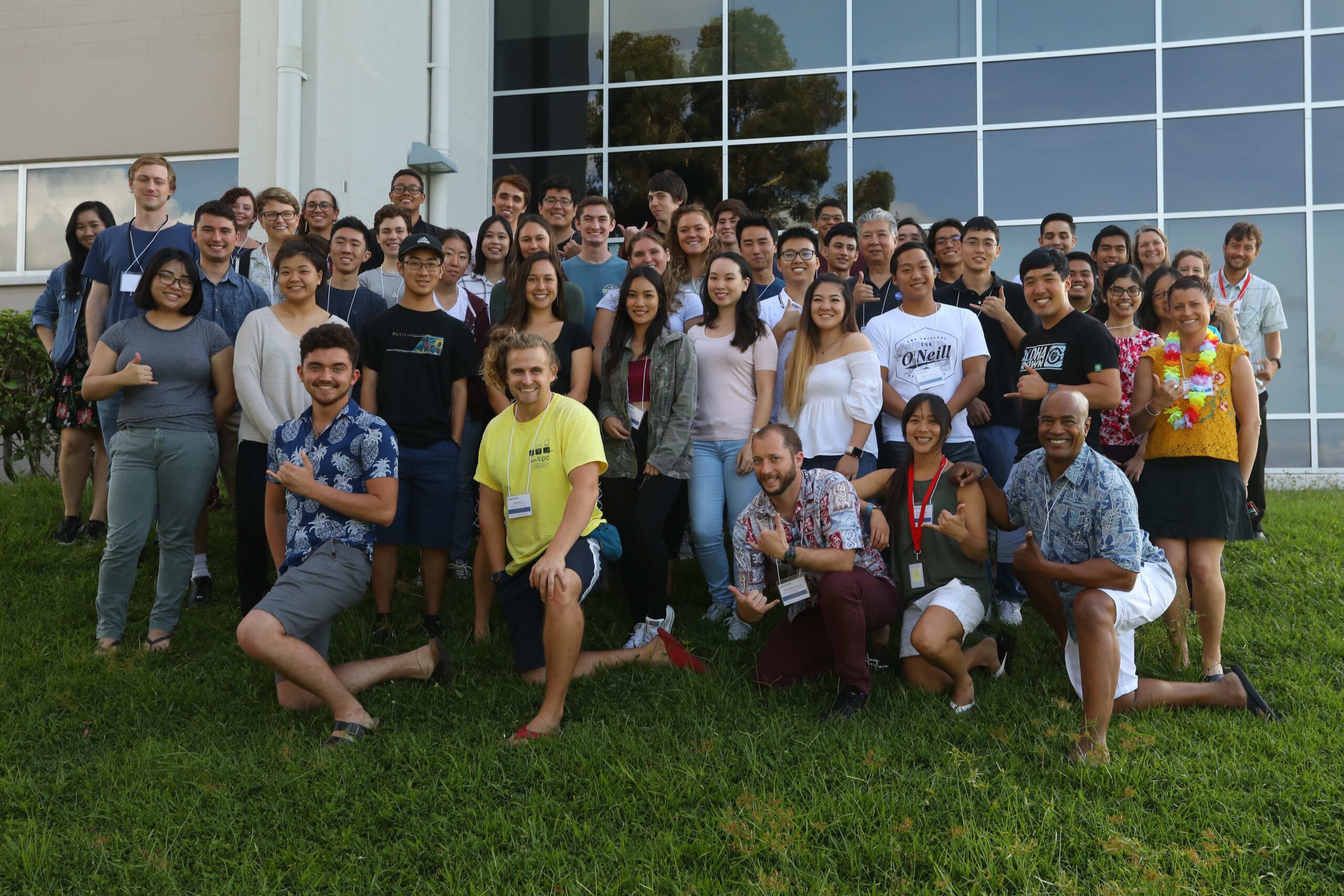
Researchers have made linkages between students’ sense of belonging and their motivation, achievement, and well-being( Anderman & Freeman, 2004). There have also been linkages made between having a sense of belonging and persistence in STEM and may be especially important those that have been historically underrepresented in STEM (Good, et al., 2012; Hausmann, et al., 2007). Sense of belonging also overlaps with definitions of inclusion, such as:
Degree to which a person perceives that they are an esteemed member of the group through experiencing treatment that satisfies their needs for belongingness and uniqueness.
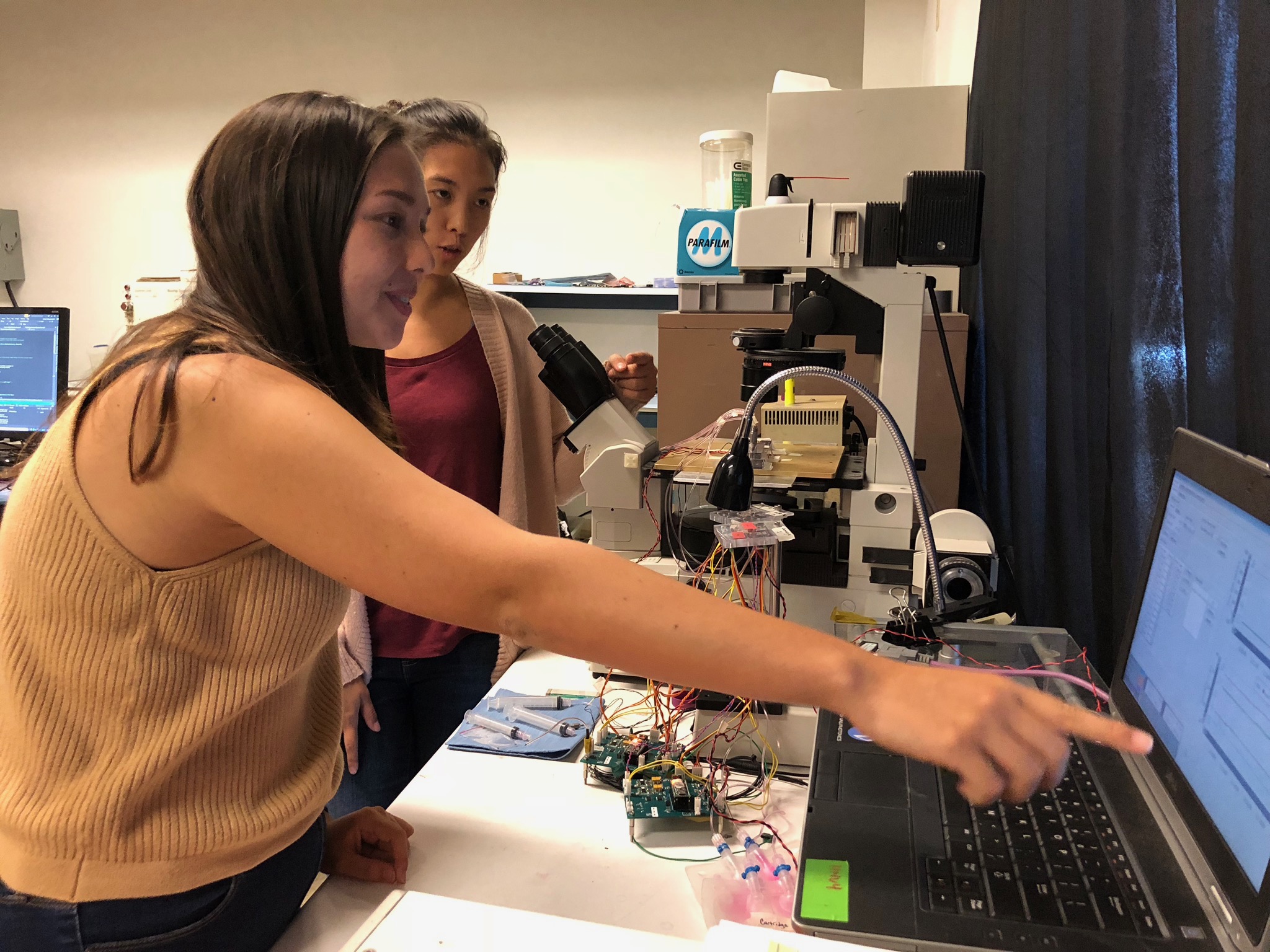
Helping an intern gain a sense of belonging
In the context of an internship, there are a range of things mentors can do to help an intern gain a sense of belonging and inclusion at their site, as well as more broadly in STEM. There are many unspoken norms and practices that playout in the STEM workplace, including some that are specific to an organization and some that are common in many STEM workplaces. These norms are part of the culture of an organization and include things like who speaks up at meetings and what kinds of things they say, how people report their progress, when and how to ask questions, and the kinds of ways that people show respect for others’ work. It may seem like interns will just “pick it up” as they go, but that is not necessarily that case, and mentors can help interns to identify and try using the norms of the organization. Being explicit about the norms and practices of STEM while valuing learners’ own cultural norms and practices can help learners of diverse backgrounds successfully navigate between STEM and their everyday lives (Moss-Racusin, et al., 2012). For example, by pointing out typical practices and norms, such as how people informally report on their progress in a team meeting.
References
Rodriguez, S. L., & Blaney, J. M. (2021). “We’re the unicorns in STEM”: Understanding how academic and social experiences influence sense of belonging for Latina undergraduate students. Journal of Diversity in Higher Education, 14(3), 441.
Anderman, L. H., & Freeman, T. M. (2004). Students’ sense of belonging in school. Advances in motivation and achievement, 13, 27-63.
Good, C., Rattan, A., & Dweck, C. S. (2012). Why do women opt out? Sense of belonging and women’s representation in mathematics. Journal of personality and social psychology, 102(4), 700.
Hausmann, L. R., Schofield, J. W., & Woods, R. L. (2007). Sense of belonging as a predictor of intentions to persist among African American and White first-year college students. Research in higher education, 48, 803-839.
Shore, L. M., Randel, A. E., Chung, B. G., Dean, M. A., Holcombe Ehrhart, K., & Singh, G. (2011). Inclusion and diversity in work groups: A review and model for future research. Journal of management, 37(4), 1262-1289.
Moss-Racusin, C. A., Dovidio, J. F., Brescoll, V. L., Graham, M. J., & Handelsman, J. (2012). Science faculty’s subtle gender biases favor male students. Proceedings of the national academy of sciences, 109(41), 16474-16479.

Leaders and Funding
This website is based on the work for the Akamai Workforce Initiative led by the Institute for Scientist & Engineer Educators at University of California, Santa Cruz.
Development of this website was funded by the Gordon and Betty Moore Foundation, the National Science Foundation (AST#1743117 & AST#2034962), and the Hawaii Community Foundation.
Address
Institute for Scientist & Engineer Educators
Mailstop: UCO/Lick Obs ISEE
1156 High Street
Santa Cruz, CA 95064
Email: isee@ucsc.edu